
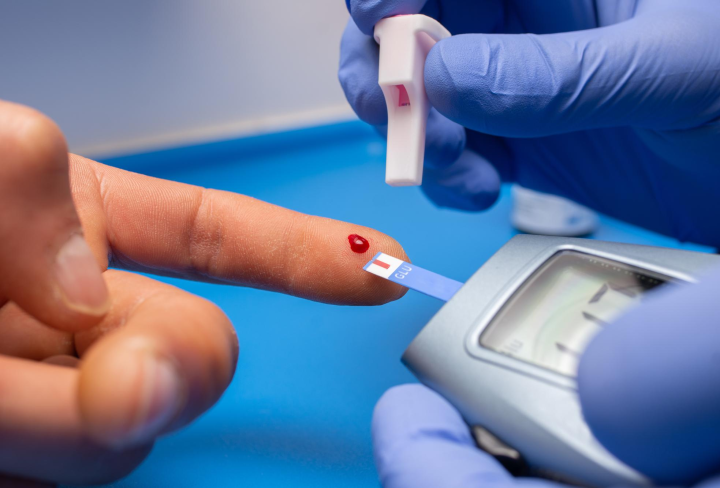
What Is Hypoglycemia?
Hypoglycemia means your blood sugar level is lower than normal. Usually, blood sugar gives your body energy. When it drops too low, your body cannot work well. In the United States, many people with diabetes face hypoglycemia. However, it can also happen to people without diabetes. Knowing about hypoglycemia helps you spot problems early. This way, you can stay safe and healthy.
Common Causes of Hypoglycemia
There are several causes of hypoglycemia. Some are linked to diabetes, while others are not. Understanding these causes can help you prevent low blood sugar.
For people without diabetes, rare conditions like hormone imbalances or tumors can also cause hypoglycemia. But for most, medicine or diet changes are the main reasons.
Recognizing Symptoms of Hypoglycemia
It is important to know the signs of low blood sugar. Early symptoms can be mild. But, if ignored, they can become serious. Watch for these low blood sugar symptoms:
If hypoglycemia gets worse, you may feel confused or even faint. In rare cases, it can lead to seizures or coma. Therefore, acting quickly is very important.
When to Seek Medical Help
Sometimes, hypoglycemia can be dangerous. You should seek medical help if:
In these cases, call your doctor or emergency services right away. Quick action can prevent serious problems.
Prevention Tips and Lifestyle Guidance
There are simple steps you can take to prevent hypoglycemia. These tips can help you stay safe every day:
By following these steps, you can lower your risk of low blood sugar. Also, share your plan with family and friends. This way, they can help if you need it.
If you experience symptoms of hypoglycemia, consult a healthcare specialist for personalized advice.