Introduction
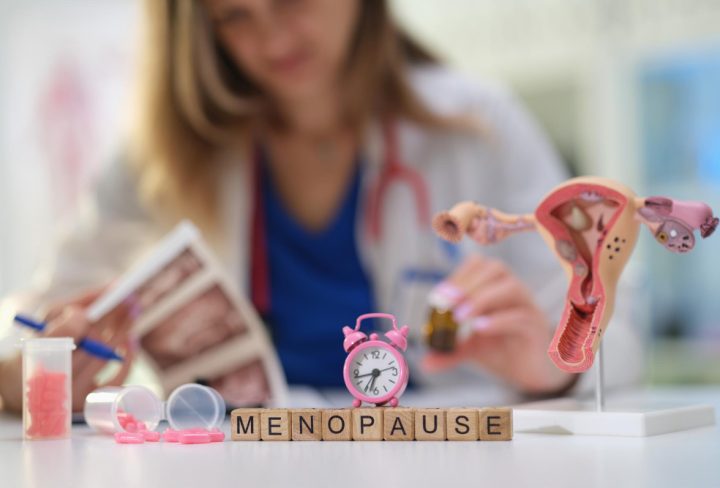
Menopause marks the end of a woman’s menstrual cycles. It usually happens between ages 45 and 55. During this time, the body makes less estrogen, a hormone that helps keep bones strong. As a result, bone loss can speed up, raising the risk of osteoporosis. Because of this, understanding menopause and bone health is important. Many women ask about osteoporosis prevention during menopause and how to protect bones after menopause. This blog will explain the connection and share easy steps to keep your bones healthy.
What is Menopause?
Menopause is a natural stage in a woman’s life. It happens when periods stop for 12 months in a row. Most women reach menopause between ages 45 and 55. However, it can happen earlier or later. The body makes less estrogen and progesterone during menopause. These hormones affect many parts of the body, including bones. For many women, menopause brings changes like hot flashes, mood swings, and sleep problems. But it also affects bone strength.
How Menopause Affects Bone Health
Estrogen helps keep bones dense and strong. After menopause, estrogen levels drop. Because of this, bones lose calcium and other minerals faster. Over time, bones can become thin and weak. This condition is called osteoporosis. Women can lose up to 20% of their bone mass in the five to seven years after menopause. As a result, the risk of broken bones increases. Protecting bone health during and after menopause is very important.
Symptoms and Risks of Bone Loss After Menopause
Bone loss often happens slowly. At first, there may be no signs. However, as bones get weaker, some symptoms and risks may appear. For example:
Because bone loss is silent at first, many women do not know they are at risk. Therefore, regular check-ups are important, especially after menopause.
Preventive Strategies for Bone Health During and After Menopause
There are many ways to protect your bones. Taking action early can help prevent osteoporosis and keep you strong. Let’s look at some key strategies.
Diet and Nutrition
Eating the right foods helps build and keep strong bones. For example, calcium and vitamin D are very important. Here are some tips:
In some regions, sunlight may be limited. Therefore, talk to your doctor about vitamin D needs, especially if you live in areas with less sun.
Physical Activity and Exercise
Staying active helps keep bones strong. Weight-bearing exercises are best. For instance:
Try to exercise most days of the week. Even simple daily activities can help. As a result, your bones and muscles will stay healthier.
Lifestyle Modifications
Some habits can weaken bones. Making healthy changes can lower your risk. For example:
These steps not only help your bones but also improve overall health.
Medical Screening and Early Diagnosis
Regular check-ups are important after menopause. Doctors may suggest a bone density test. This test checks how strong your bones are. Early diagnosis can help prevent fractures. If you have a family history of osteoporosis, talk to your doctor sooner. Screening is especially important for women over 65 or those with risk factors.
Medications and Supplements
Sometimes, diet and exercise are not enough. In these cases, doctors may recommend medications. These can slow bone loss or help build new bone. Common options include:
Always follow your doctor’s advice before starting any medicine or supplement. Not every option is right for everyone.
When to Consult a Healthcare Professional
If you are near menopause or have gone through it, talk to your doctor about bone health. See a healthcare specialist if you:
Early advice can help you stay strong and prevent problems later.
Conclusion
Menopause can affect bone health, but you can take steps to protect yourself. Eat well, stay active, and avoid smoking or too much alcohol. Get regular check-ups and talk to your doctor about your risks. For personalized advice on menopause and bone health, consult a healthcare specialist.