
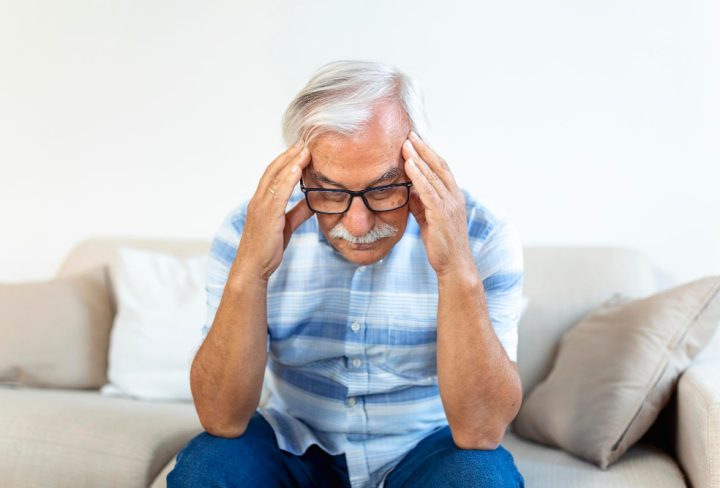
What is Dementia?
Dementia is a group of symptoms that affect memory, thinking, and daily life. It is not a single disease. Instead, it describes problems caused by different conditions. For example, people with dementia may forget names or have trouble making decisions. Over time, these changes can make daily tasks harder. Although dementia mostly affects older adults, it is not a normal part of aging. According to the World Health Organization (WHO), over 55 million people worldwide live with dementia.
Main Causes of Dementia
There are several causes of dementia. Each cause affects the brain in a different way. Below are the main causes of dementia:
Risk Factors for Dementia
Many things can increase the risk of dementia. While some risk factors cannot be changed, others can be managed. For instance, age is the biggest risk factor. Most people with dementia are over 65. However, family history also plays a role. If a close relative has dementia, your risk may be higher. In addition, health problems like high blood pressure, diabetes, and high cholesterol can raise your risk. Smoking, drinking too much alcohol, and lack of exercise also make dementia more likely. On the other hand, staying mentally and socially active may help lower your risk.
How to Recognize Early Signs
Early signs of dementia can be easy to miss. Yet, noticing them early can help. Some common early signs include:
If you or a loved one shows these signs, it is important to talk to a doctor. Early diagnosis can make a big difference.
Prevention and Lifestyle Tips
Although not all causes of dementia can be prevented, healthy habits may lower your risk. For example, you can:
According to the CDC, these dementia prevention tips can help protect your brain health.
When to Seek Medical Advice
If you notice memory loss or changes in thinking, do not wait. Instead, talk to a healthcare professional. Early help can lead to better care and support. Sometimes, other health problems can look like dementia. A doctor can check for these and suggest the best next steps. Remember, you are not alone. Many people and families face these challenges. Support is available.
If you have questions about dementia or its causes, consult your doctor for personalized advice.