
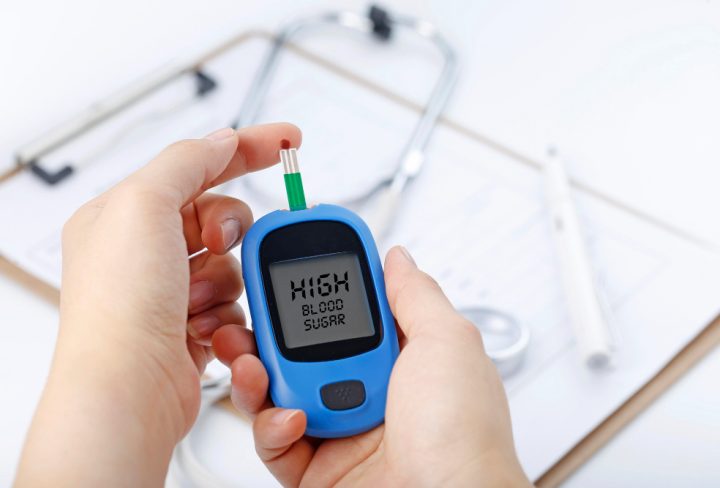
Introduction
Continuous glucose monitoring is a way to track blood sugar levels all day and night. It is important for people with diabetes. With continuous glucose monitoring, you can see real-time glucose tracking and spot changes quickly. This helps you make better choices about food, exercise, and medicine. Many people use CGM devices for diabetes to improve their health. According to the CDC, keeping blood sugar in range lowers the risk of problems.
How Continuous Glucose Monitoring Works
Continuous glucose monitors, or CGMs, use a small sensor placed under the skin. The sensor checks your glucose every few minutes. Then, it sends the data to a device or smartphone. Because of this, you can see your glucose levels at any time. Some CGMs also alert you if your sugar is too high or too low. This helps you act fast and stay safe.
Key Benefits of Continuous Glucose Monitoring
Because of these benefits, many people find CGMs helpful in daily life.
Who Should Consider Continuous Glucose Monitoring
Not everyone needs a CGM. However, it can help many people. You may benefit from a CGM if you:
Always talk to your doctor before starting a CGM. They can help you decide if it is right for you.
How to Use a Continuous Glucose Monitor: Step-by-Step Guide
For best results, follow the instructions that come with your CGM device. If you have questions, ask your healthcare provider.
Common Challenges and Tips for Success
Some people face challenges with CGMs. For example, sensors may fall off or cause skin irritation. Sometimes, readings may not match finger-prick tests. To help, try these tips:
With practice, using a CGM gets easier over time.
Safety, Accuracy, and Limitations
Continuous glucose monitors are safe for most people. However, they may not always be 100% accurate. For example, rapid changes in blood sugar can cause delays in readings. Also, some medicines or health conditions may affect results. The FDA and WHO say CGMs are helpful, but you should still check with finger-prick tests if you feel unwell. Always follow your doctor’s advice for safe use.
Frequently Asked Questions
Conclusion and Call-to-Action
Continuous glucose monitoring can make managing diabetes easier and safer. It gives you real-time glucose tracking and helps you avoid problems. However, it is not right for everyone. Consult a healthcare professional for personalized guidance on continuous glucose monitoring.