
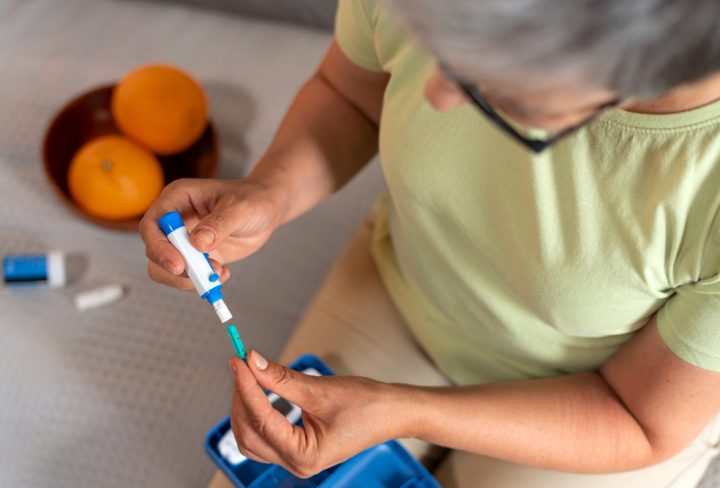
What is Diabetic Ketoacidosis?
Diabetic Ketoacidosis, often called DKA, is a serious problem that can happen to people with diabetes. It occurs when the body does not have enough insulin. As a result, the body starts breaking down fat for energy. This process makes acids called ketones. When ketones build up in the blood, they can become dangerous. According to the CDC, DKA is more common in people with type 1 diabetes, but it can also affect those with type 2 diabetes. Early recognition and treatment are important to prevent complications.
Symptoms of Diabetic Ketoacidosis
Recognizing DKA symptoms early can save lives. While some signs may appear quickly, others develop over a few hours. Watch for these common symptoms:
However, not everyone will have all these symptoms. If you notice any of them, especially if you have diabetes, seek help right away.
Causes and Risk Factors
DKA happens when the body cannot use sugar for energy due to low insulin. Instead, it burns fat, which leads to ketone buildup. Several things can trigger this condition:
In addition, people with type 1 diabetes are at higher risk. But, those with type 2 diabetes should also be careful, especially during illness or stress.
How Diabetic Ketoacidosis is Diagnosed
Doctors use several tests to diagnose DKA. First, they check your symptoms and medical history. Next, they may order blood and urine tests. These tests look for:
Quick diagnosis is important. Therefore, if you have diabetes and feel unwell, do not wait to get checked.
Treatment Options for Diabetic Ketoacidosis
DKA is a medical emergency. Most people need to go to the hospital for treatment. The main goals are to lower blood sugar, remove ketones, and fix fluid loss. Treatment usually includes:
With fast care, most people recover well. However, without treatment, DKA can be life-threatening.
Prevention Tips and Lifestyle Guidance
Preventing DKA is possible with good diabetes management. Here are some helpful tips:
Additionally, talk to your healthcare team about any changes in your health. They can help you adjust your treatment plan if needed.
When to Seek Medical Help
Sometimes, DKA can develop quickly. Therefore, it is important to know when to get help. Call your doctor or go to the emergency room if you:
Early treatment can prevent serious problems. Do not wait if you are unsure.
In summary, Diabetic Ketoacidosis is a serious but treatable condition. With careful management and quick action, you can reduce your risk. Consult a healthcare specialist for personalized advice on diabetic ketoacidosis.